
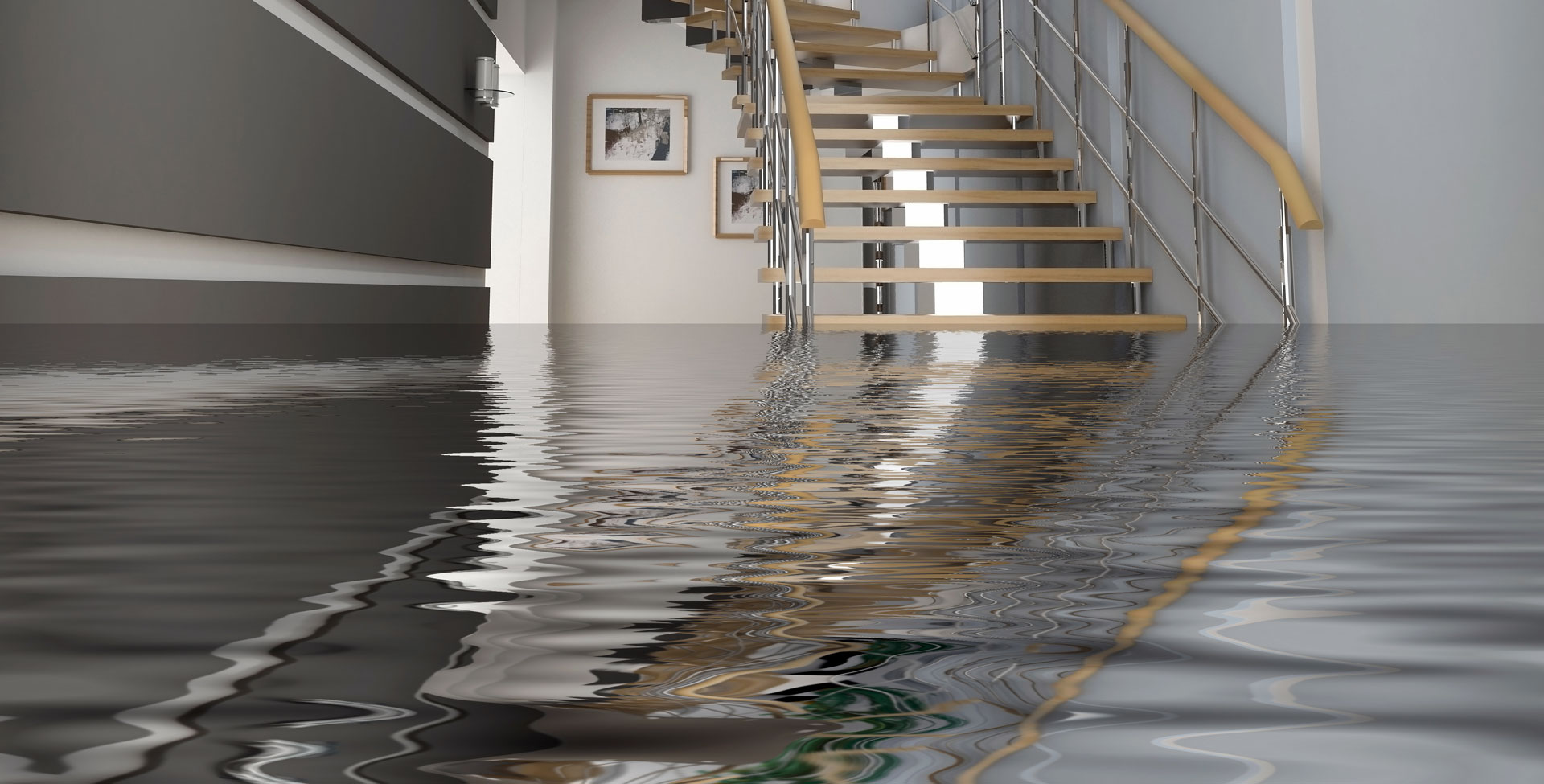
When water damage and restoration damage strikes, you’re racing against the clock. The first 48 hours are crucial in preventing secondary damage and ensuring a successful restoration process. You might think you have time to breathe, but the truth is, every minute counts. Delaying action can lead to severe consequences, from health risks to structural damage. By acting promptly, you can minimize damage, salvage belongings, and maximize insurance claims. But what exactly happens during these critical 48 hours, and how can you ensure you’re taking the right steps to get your life back on track?
Preventing Secondary Damage
When water damage strikes, your priority is to prevent secondary damage from occurring. You can’t control the initial damage, but you can take immediate action to minimize further destruction.
Secondary damage can be just as devastating, if not more so, than the initial incident. It can lead to structural issues, electrical hazards, and a perfect breeding ground for mold and mildew.
You need to act fast to prevent this secondary damage. Start by containing the affected area to prevent water from spreading.
Remove any excess water, and use fans and dehumidifiers to dry out the space. Don’t forget to disconnect electricity and gas supplies to prevent electrical shocks or explosions.
It’s also essential to remove any wet materials, like carpets and drywall, to prevent further water absorption. By taking these steps, you’ll significantly reduce the risk of secondary damage and set the stage for a successful restoration process.
Time-Sensitive Health Risks
As you navigate the aftermath of water damage, you’re not just fighting to save your property – you’re also racing against the clock to protect your health.
Water damage creates a breeding ground for bacteria, viruses, and mold, which can exacerbate respiratory issues like asthma and allergies. If you have open wounds, you’re more susceptible to infection.
In the first 48 hours, it’s crucial to remove standing water and moisture to prevent the growth of microorganisms.
Failing to act quickly can lead to long-term health consequences.
Prolonged exposure to water damage can trigger allergic reactions, skin irritation, and even neurological problems. Moreover, mold spores can become airborne, spreading contamination throughout your home or business.
Don’t wait for the situation to worsen – take immediate action to restore your property and safeguard your well-being. Remember, the clock is ticking, and every minute counts in preventing time-sensitive health risks associated with water damage.
Structural Integrity at Stake
Beyond the immediate health risks, water damage poses a significant threat to your property’s structural integrity.
You mightn’t realize it, but water can seep into walls, ceilings, and floors, causing widespread damage that can lead to costly repairs or even collapse. If you don’t address the issue promptly, you risk compromising your property’s foundation, walls, and roof.
This can result in cracked walls, sagging ceilings, and weakened support beams.
As water seeps into the building materials, it can cause wood to rot, metal to rust, and drywall to disintegrate.
This can lead to a loss of structural integrity, making your property unsafe to occupy. Furthermore, the longer you wait to address the issue, the more extensive the damage will be.
It’s essential to act quickly to prevent further deterioration and ensure your property remains stable and secure. By responding promptly, you can minimize the risk of structural damage and avoid costly repairs down the line.
Salvaging Belongings and Assets
Floodwaters can sweep away treasured possessions, leaving you with a daunting task: salvaging what’s left of your belongings and assets.
You’ll need to act quickly to rescue items that can be saved, as the longer you wait, the more damage will occur. Start by separating items into three categories: items that can be restored, items that can’t be restored but have sentimental value, and items that are beyond repair.
Be sure to prioritize items that are essential to your daily life, such as important documents, medications, and essential electronics.
When handling items, wear protective gear like gloves and a face mask to avoid exposure to contaminants. Take photos of each item and make a list of everything you’ve salvaged, as this will come in handy later.
Remember to also check for hidden pockets of water, as these can cause further damage to your belongings.
Maximizing Insurance Claims
You’ll likely be relying on your insurance policy to help cover the costs of repairs and replacements, so it’s essential that you maximize your insurance claims.
To do this, you’ll need to document every detail of the damage. Take photos and videos of everything, including the exterior and interior of your property, as well as any damaged belongings.
Make a list of all damaged items, including their value and age. Be sure to keep receipts for any temporary repairs you make to prevent further damage, as these may be reimbursable.
When filing your claim, be thorough and accurate. Don’t leave out any details, no matter how small they may seem.
Keep a record of all communication with your insurance company, including dates, times, and the names of representatives you speak with. If you’re unsure about any part of the process, consider hiring a public adjuster to help you navigate the claims process.
Conclusion
You’ve got a narrow window to act – just 48 hours – to prevent secondary damage and ensure a successful restoration. Delaying can lead to severe consequences, from health risks to structural damage. By acting fast, you’ll minimize damage, salvage belongings, and maximize insurance claims. Don’t wait – every minute counts. The clock is ticking, and your prompt response will save you time, money, and stress in the long run.