
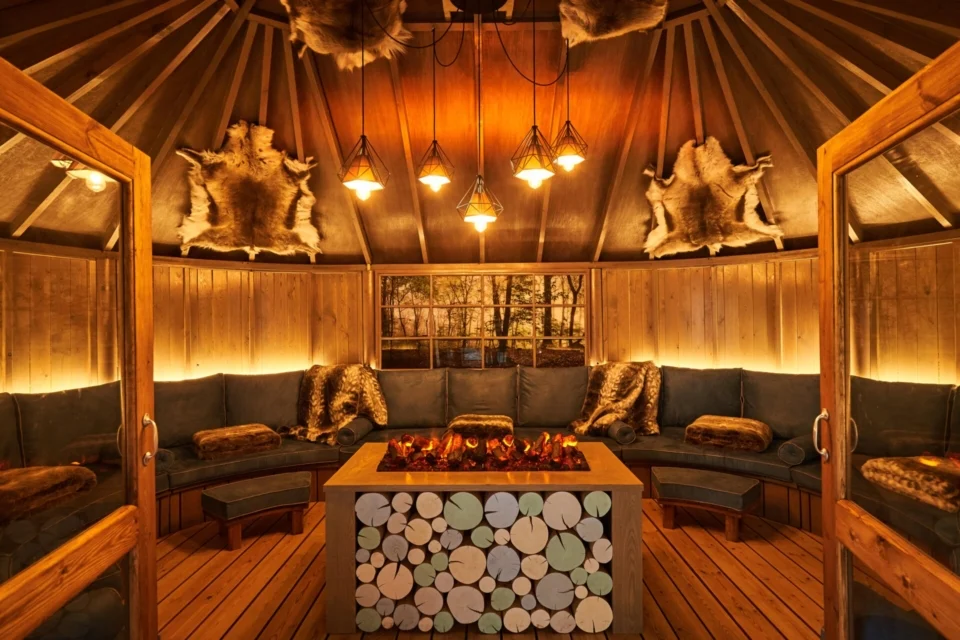
When you think about achieving a sustainable garden design, the addition of bespoke gazebos wooden gazebos can play a crucial role. Not only do these customized structures enhance your outdoor space, but they also encourage eco-friendly practices by utilizing sustainable materials. Imagine creating a serene environment that also supports local wildlife and promotes biodiversity. As you consider your options, you might wonder how to best incorporate such elements while ensuring the longevity of your design. Understanding these aspects can truly transform your approach to sustainable gardening.
Importance of Sustainable Gardening
Sustainable gardening embodies a commitment to preserving our environment while cultivating beauty and nourishment. When you engage in sustainable gardening, you’re not just planting seeds; you’re creating a vibrant ecosystem that supports local wildlife and strengthens your community. This approach minimizes the impact of chemicals and promotes biodiversity, allowing beneficial insects and plants to thrive.
You also end up conserving vital resources, such as water and energy. By implementing techniques like rainwater harvesting and using native plants, you reduce your garden’s water consumption and the need for artificial fertilizers.
Sustainability fosters a healthy soil microbiome, reducing erosion and improving nutrient availability.
Moreover, sustainable gardening encourages you to think critically about your choices. It’s about selecting materials, methods, and practices that’ll benefit both your garden and the planet. You can repurpose organic waste as compost or use reclaimed materials for your projects, further reducing your ecological footprint.
Ultimately, opting for sustainable gardening reflects your values and passion for nature. It allows you to enjoy the fruits of your labor while knowing you’re making a difference for generations to come. Embracing this philosophy enhances both your garden and the world around you.
Benefits of Bespoke Wooden Gazebos
Incorporating bespoke wooden gazebos into your sustainable garden design not only enhances your outdoor space but also offers a range of practical benefits.
You’ll find that these structures add aesthetic appeal and create a dedicated area for relaxation and entertainment. With their customizable features, you can design a gazebo that fits seamlessly with your garden’s layout and style, making it a true centerpiece.
Moreover, bespoke wooden gazebos can provide shelter from the elements. Whether you’re enjoying a sunny day or seeking shade during a rain shower, your gazebo delivers comfort and protection.
They also act as a gathering spot for family and friends, fostering social connections while enjoying nature.
Additionally, a well-placed gazebo can increase your property’s value. Potential buyers often appreciate the charm and functionality they offer, making your home stand out in the market.
Lastly, using locally sourced wood can help support your community while reducing your carbon footprint.
Choosing Eco-Friendly Materials
When you’re selecting materials for your garden, it’s essential to focus on eco-friendly options that align with your values. Start by choosing sustainable wood, like certified timber from responsibly managed forests. Look for options like cedar or redwood, which naturally withstand decay and moisture, reducing the need for chemical treatments.
You should also consider reclaimed wood, giving new life to materials that would otherwise end up in a landfill. This not only minimizes waste but also adds character and history to your garden design.
Don’t forget about other materials, too. Use bamboo, a rapidly renewable resource, for fencing or support structures. Stone and brick can also be sourced sustainably, offering durability without the high carbon footprint of concrete.
For finishes, opt for low-VOC paints and stains, which are safer for both the environment and your health. They’ll help preserve the beauty of your materials without compromising air quality.
Lastly, always check for certifications or local sourcing. By thoughtfully choosing eco-friendly materials, you’ll create a garden that reflects your commitment to sustainability while ensuring a healthier future for our planet.
Designing for Biodiversity
Creating a vibrant garden goes hand in hand with fostering biodiversity. By designing your space with a variety of plants, you’re not just beautifying your surroundings; you’re also creating a habitat for local wildlife.
Combine native flora with diverse species to support pollinators and other beneficial insects. This becomes a sanctuary where bees, butterflies, and birds can thrive.
To enhance your garden’s biodiversity, think about layering different plants. Use tall perennials at the back, medium-sized shrubs in the middle, and ground covers to fill in the gaps. This arrangement offers shelter and food for various creatures.
Incorporating water features, even a small birdbath, can attract more wildlife, adding life and activity to your garden.
Consider organic gardening principles—avoiding pesticides and harmful chemicals helps maintain a balanced ecosystem. Instead, use natural pest control methods and organic fertilizers to nurture your plants without harming the environment.
As you plan your bespoke wooden gazebo, position it thoughtfully to create sheltered spaces for lounging or appreciating the surrounding wildlife.
Maintenance Tips for Longevity
Keeping your wooden gazebo in top condition requires regular maintenance to ensure its longevity. Start by inspecting the gazebo for any signs of wear or damage. Look for cracked wood, loose joints, or peeling paint, and address these issues promptly to prevent further deterioration.
Clean your gazebo at least twice a year using a soft brush and mild soap. This helps remove dirt, mildew, and leaves that can trap moisture and lead to rot. After cleaning, consider applying a wood preservative or sealant to protect against moisture and UV damage.
Regularly check for pests like termites or woodpeckers. If you spot any infestations, treat them immediately with appropriate pest control methods. Ensure your gazebo is appropriately ventilated, as good airflow reduces the risk of mold and rot.
Additionally, consider re-staining or repainting your gazebo every two to three years. Choose high-quality exterior-grade products when doing so.
Conclusion
Incorporating bespoke wooden gazebos into your garden not only elevates its beauty but also supports a sustainable lifestyle. By choosing eco-friendly materials and designing with biodiversity in mind, you’re creating a space that thrives with nature and nurtures local wildlife. Remember, maintaining your gazebo is key to ensuring it lasts while enhancing your garden’s eco-friendly ambiance. Embrace this harmonious approach, and enjoy your peaceful retreat that benefits both you and the environment.